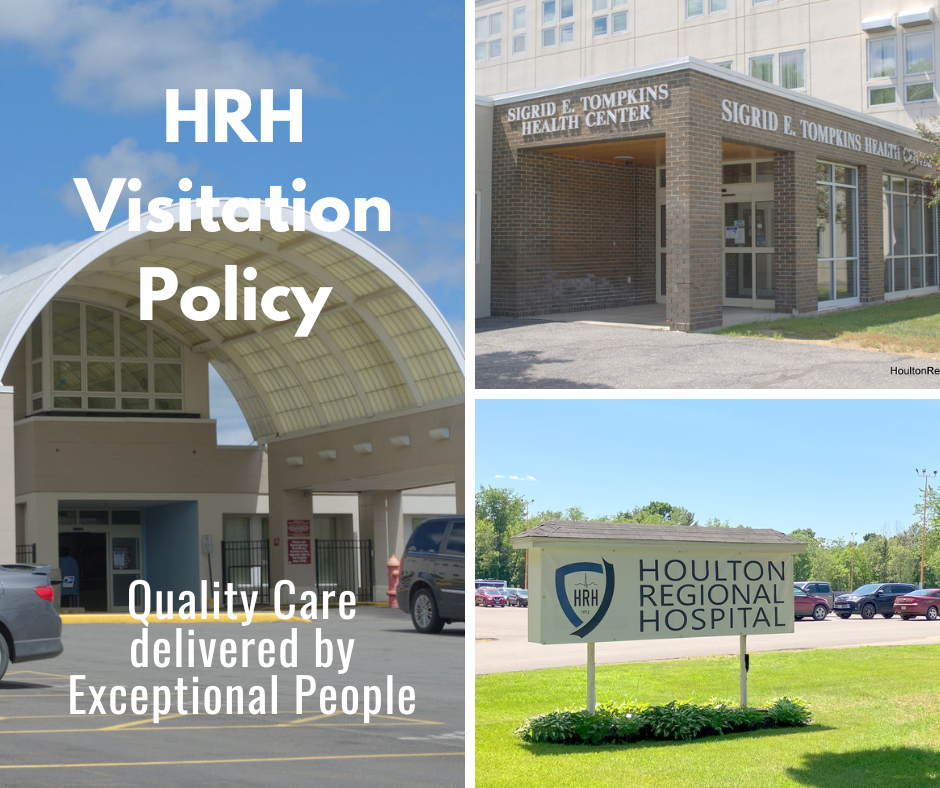
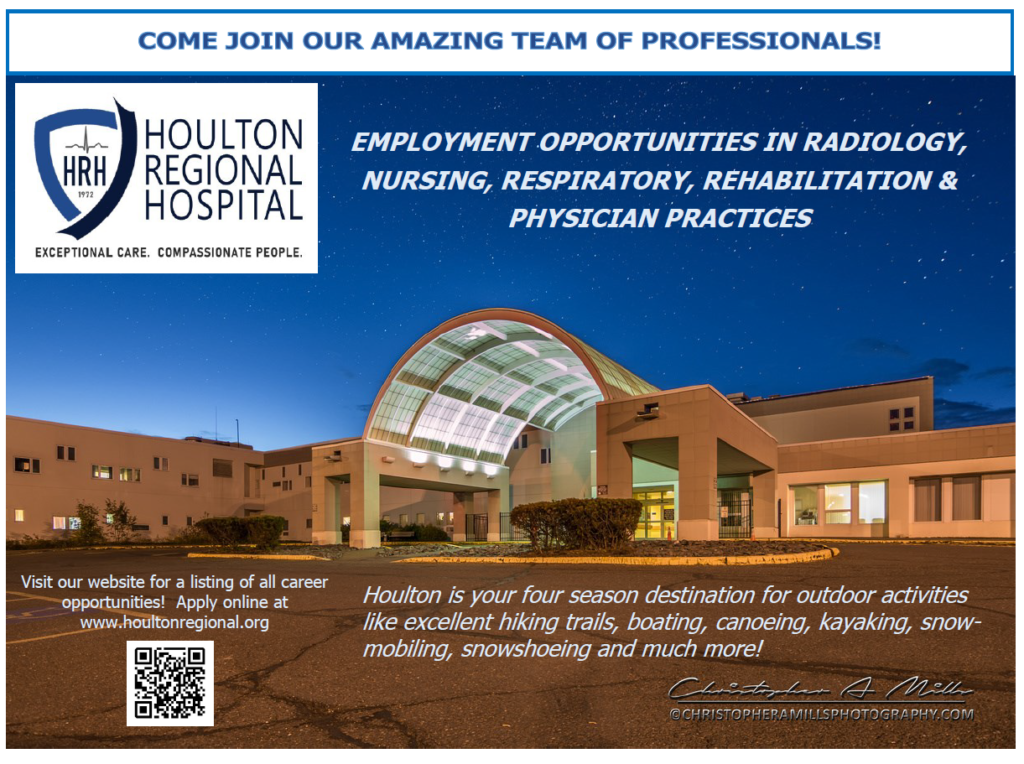
As photographed by local photographer Christopher A Mills.
Visit ChristopherAMillsPhotography.com
 Navigation
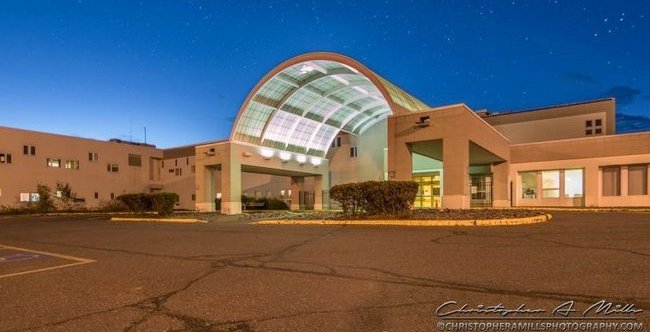

As photographed by local photographer Christopher A Mills.
Visit ChristopherAMillsPhotography.com


As photographed by local photographer Christopher A Mills.
Visit ChristopherAMillsPhotography.com
Our staff is here to help you with a broad range of healthcare services, from prevention to management and treatment of your medical issues.
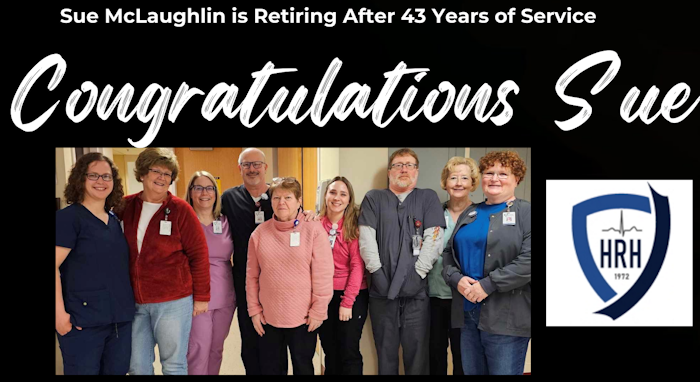
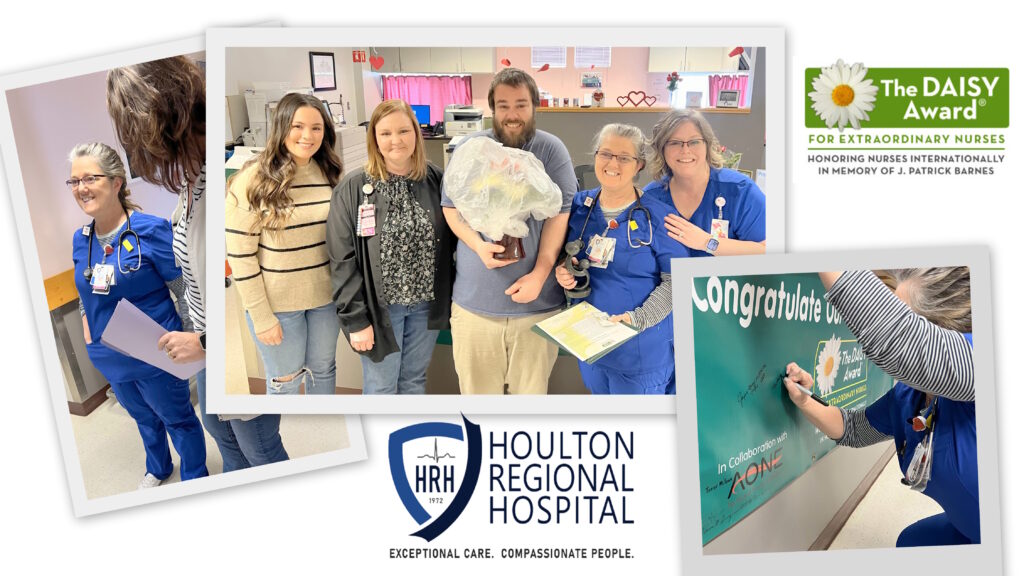
GROUP PHOTO: Madison Watson, Amanda Tugman, Jake Mathieau (Toni’s son), Daisy Award winner Tonimarie Hetherington and Heather Quint (Manager of LDRP.),
Cameron appointed as Houlton Regional Hospital’s new CEO
Tammy Griffin has retired after 20 years of service to Houlton Regional Hospital. During that time she has shown a high level of professionalism in each role she has performed, most recently in the Quality Department. It’s been a pleasure working with you, and we wish you the best in your retirement.

Houlton Regional Hospital was named a Top Rural Hospital nationally by The Leapfrog Group
Beware of phone scams! Click here for important details regarding calls some patients have reported receiving.

________________________________________________


At this time we are still asking for everyone to call ahead to request Medical Record Forms. Please call 521-2212. Arrangements will be made for pick up, or they can be mailed or faxed. Thank you in advance for your cooperation!